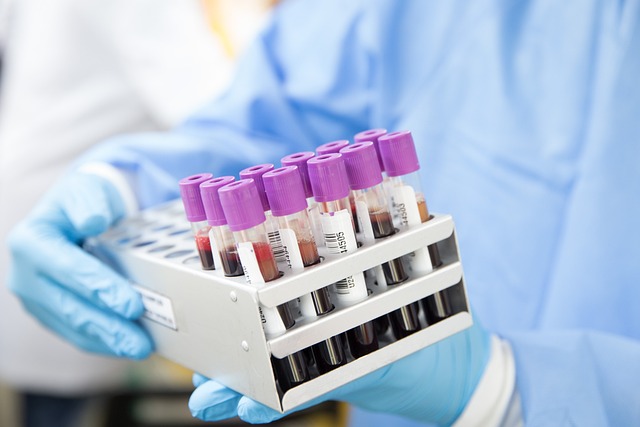
For decades, diagnosing Alzheimer’s disease has relied heavily on memory tests, clinical judgment, and a long wait for symptoms to become unmistakable. Now, a groundbreaking blood test being rolled out across the UK could dramatically change that narrative bringing earlier, more accurate diagnosis within reach of routine healthcare.
More than 1,000 people with suspected dementia are set to receive the new test as part of a major NHS-linked trial led by scientists at University College London (UCL). If successful, the approach could revolutionise how Alzheimer’s disease is identified, offering clarity to patients years earlier than was previously possible.
Why Early Diagnosis Matters
Alzheimer’s disease, the most common form of dementia, is driven by the gradual accumulation of two abnormal proteins in the brain amyloid and tau. These so-called “rogue proteins” can begin building up as much as 20 years before symptoms appear, silently damaging brain cells long before memory problems become obvious.
Yet current diagnostic methods struggle to detect the disease in its earliest stages. Standard cognitive tests often involving pen-and-paper tasks misdiagnose Alzheimer’s in around 30% of cases, particularly in early disease. Definitive diagnosis has traditionally required PET brain scans or lumbar punctures, procedures that are costly, invasive, and rarely available in routine care. As a result, only about 2% of patients ever receive these gold-standard tests.
The Science Behind the Test
The new blood test targets a biomarker called p-tau217, a modified form of the tau protein that strongly reflects the presence of both amyloid and tau pathology in the brain. A simple blood sample, costing around £100, can now reveal biochemical changes that were previously detectable only through specialist procedures.
Researchers believe the test could boost diagnostic accuracy from around 70% to over 90%, a leap that could fundamentally alter clinical decision-making.
“This test allows us to see the biology of Alzheimer’s disease directly, rather than relying solely on symptoms,” say researchers involved in the study. “That’s a game-changer.”
Testing the Test in the Real World
Participants will be recruited from 20 NHS memory clinics across the UK, making this one of the first large-scale attempts to evaluate how blood-based Alzheimer’s diagnostics perform in everyday clinical settings.
The study will assess not only diagnostic accuracy, but also how earlier and clearer results affect:
- Speed of diagnosis
- Decisions about further investigations
- Patient understanding and emotional response
- Quality of life and care planning
Clinicians will also evaluate how blood test results influence conversations with patients and families, particularly when cognitive symptoms are mild or ambiguous.
Preparing for the Next Era of Treatment
The timing of this innovation is critical. A new generation of disease-modifying Alzheimer’s drugs, designed to slow progression in early-stage disease, is currently in late-stage clinical trials. These treatments are likely to be most effective before extensive brain damage occurs, making early and accurate diagnosis essential.
Without scalable diagnostic tools, many patients would miss the window where such therapies could offer the greatest benefit. Blood tests like p-tau217 could ensure that eligible patients are identified in time.
A New Standard of Care?
If the trial proves successful, the p-tau217 blood test could become a routine part of Alzheimer’s diagnosis within the NHS, reducing reliance on invasive procedures and long diagnostic delays.
For patients, it promises earlier answers and better planning. For clinicians, it offers a powerful new tool grounded in biology rather than symptoms alone. And for healthcare systems, it opens the door to more efficient, equitable dementia care.
In the quiet vial of a blood sample, the future of Alzheimer’s diagnosis may already be taking shape.