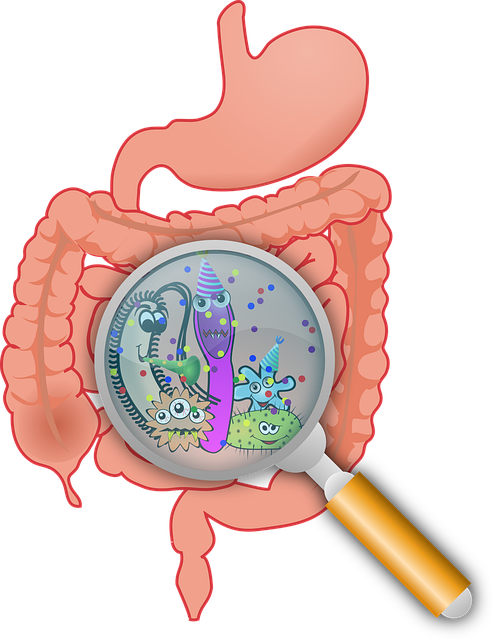
For decades, the prevailing narrative of neurodegenerative diseases like Alzheimer’s and Parkinson’s was centred around isolated confinement within the brain. These conditions were seen as mysterious malfunctions of the brain alone, with treatment often arriving too late, after irreversible damage had taken hold. Today, however, a paradigm shifting body of research is rewriting this story, revealing that the initial spark for neurodegeneration may ignite decades earlier, not within the brain’s grey matter, but in the bustling, microbial ecosystem of our gut.
This revelation centres on the profound and continuous dialogue between our digestive system and our central nervous system a complex, bidirectional superhighway of biochemical and neural signals. Often called our “second brain,” the gut’s own extensive neural network, the enteric nervous system, communicates directly with the brain via the vagus nerve, through immune messengers, and via gut derived metabolites that can cross the blood brain barrier. It is a relationship of profound consequence, where gut inflammation can fuel brain inflammation, where microbial imbalances may promote the accumulation of toxic proteins, and where the integrity of the gut lining can influence the health of the blood-brain barrier itself.
This expanded understanding moves us from a narrow focus on treating symptoms in an afflicted brain to a holistic vision of protecting the brain by nurturing the gut. It suggests that the long-sought key to prevention a way to potentially delay or alter the course of neurodegeneration may lie in personalized strategies targeting our microbiome, diet, and gut health. By learning the language of this critical connection, we are not only unlocking new frontiers in treatment but also empowering a proactive, hopeful path toward preserving cognitive vitality across the lifespan.
The Gut: Our Second Brain
The gut is far more than a digestive tube. It houses its own vast nervous system, the enteric nervous system, with over 100 million neurons. It operates with significant autonomy and produces about 90% of the body's serotonin and 50% of its dopamine [1]. This "second brain" is in constant, bidirectional conversation with the central brain via the gut-brain axis, using neural, immune, and hormonal pathways.
When Communication Breaks Down: The Pathway to Disease
The latest findings suggests that a breakdown in gut health initiates a slow paced cascade toward neurodegeneration. It starts with a trigger often a combination of aging, poor diet, infection, or environmental toxins that disrupts the delicate balance of the gut microbiome (dysbiosis) and increases intestinal permeability ("leaky gut"). This compromised state allows harmful bacterial products to enter systemic circulation. Key culprits have been identified:
- Lipopolysaccharide (LPS): A pro-inflammatory endotoxin found elevated in both Alzheimer's and Parkinson's patients. In Alzheimer's, LPS co-localizes with amyloid plaques in the brain [2]. In Parkinson's, it's associated with alpha-synuclein in the colon[3].
- Trimethylamine N-Oxide (TMAO): A metabolite from gut bacteria processing red meat and eggs. Elevated TMAO levels in blood and cerebrospinal fluid are linked to higher Alzheimer's risk and faster cognitive decline [4].
- Bacterial Amyloids: Proteins like curli, produced by E. coli, can directly cross seed and trigger the misfolding of human proteins like alpha synuclein, the hallmark of Parkinson's [5].
The "Gut-First" Hypothesis: Evidence is Compelling
The most compelling evidence comes from studies demonstrating causality and progression from gut to brain. In Parkinson patients pathological alpha synuclein is found in the gut nerves years before diagnosis. Landmark animal studies show that injecting misfolded alpha synuclein into the gut wall causes it to travel up the vagus nerve to the brain, leading to motor symptoms [6]. Human epidemiological data supports this surgical severing of the vagus nerve is associated with a reduced risk of developing Parkinson's decades later[7]. For Alzheimer's, a powerful 2023 study provided direct causal evidence. Transplanting gut microbiota from human Alzheimer's patients into healthy rats induced significant memory deficits and increased brain pathology in the recipient animals [8]. The Alzheimer's microbiome alone was sufficient to drive disease.
Conclusion: A Paradigm Shift in Brain Health
The message is clear brain health is inextricably linked to gut health. While genetics play a role, the modifiable state of our gut microbiome is a major player in determining our neurological fate. This is not to say the brain pathology is irrelevant, but that its primary driver may often be remote and chronic inflammation originating in the gut.
This paradigm shift reframes neurodegenerative diseases as potentially preventable disorders of a dysfunctional gut-brain axis. It moves us from a reactive to a proactive model, emphasizing that lifelong dietary and lifestyle choices which nourish a diverse, resilient gut microbiome high in fibre, polyphenols, and fermented foods may be our most powerful strategy for building a cognitive reserve and defending the brain against the insidious processes of Alzheimer's and Parkinson's. The future of neurodegeneration may well be found not just in understanding the brain pathophysiology, but also in understanding the microbiome and the metabolites in the gut.
References :
1. Cryan, J.F., et al., The Microbiota-Gut-Brain Axis. Physiol Rev, 2019. 99(4): p. 1877-2013.
2. Zhao, Y., L. Cong, and W.J. Lukiw, Lipopolysaccharide (LPS) Accumulates in Neocortical Neurons of Alzheimer's Disease (AD) Brain and Impairs Transcription in Human Neuronal-Glial Primary Co-cultures. Front Aging Neurosci, 2017. 9: p. 407.
3. Bhattacharyya, D., et al., Lipopolysaccharide from Gut Microbiota Modulates α-Synuclein Aggregation and Alters Its Biological Function. ACS Chem Neurosci, 2019. 10(5): p. 2229-2236.
4. Vogt, N.M., et al., The gut microbiota-derived metabolite trimethylamine N-oxide is elevated in Alzheimer's disease. Alzheimers Res Ther, 2018. 10(1): p. 124.
5. Chen, S.G., et al., Exposure to the Functional Bacterial Amyloid Protein Curli Enhances Alpha-Synuclein Aggregation in Aged Fischer 344 Rats and Caenorhabditis elegans. Scientific Reports, 2016. 6(1): p. 34477.
6. Kim, S., et al., Transneuronal Propagation of Pathologic α-Synuclein from the Gut to the Brain Models Parkinson's Disease. Neuron, 2019. 103(4): p. 627-641.e7.
7. Svensson, E., et al., Vagotomy and subsequent risk of Parkinson's disease. Ann Neurol, 2015. 78(4): p. 522-9.
8. Grabrucker, S., et al., Microbiota from Alzheimer's patients induce deficits in cognition and hippocampal neurogenesis. Brain, 2023. 146(12): p. 4916-4934.